
Project Background
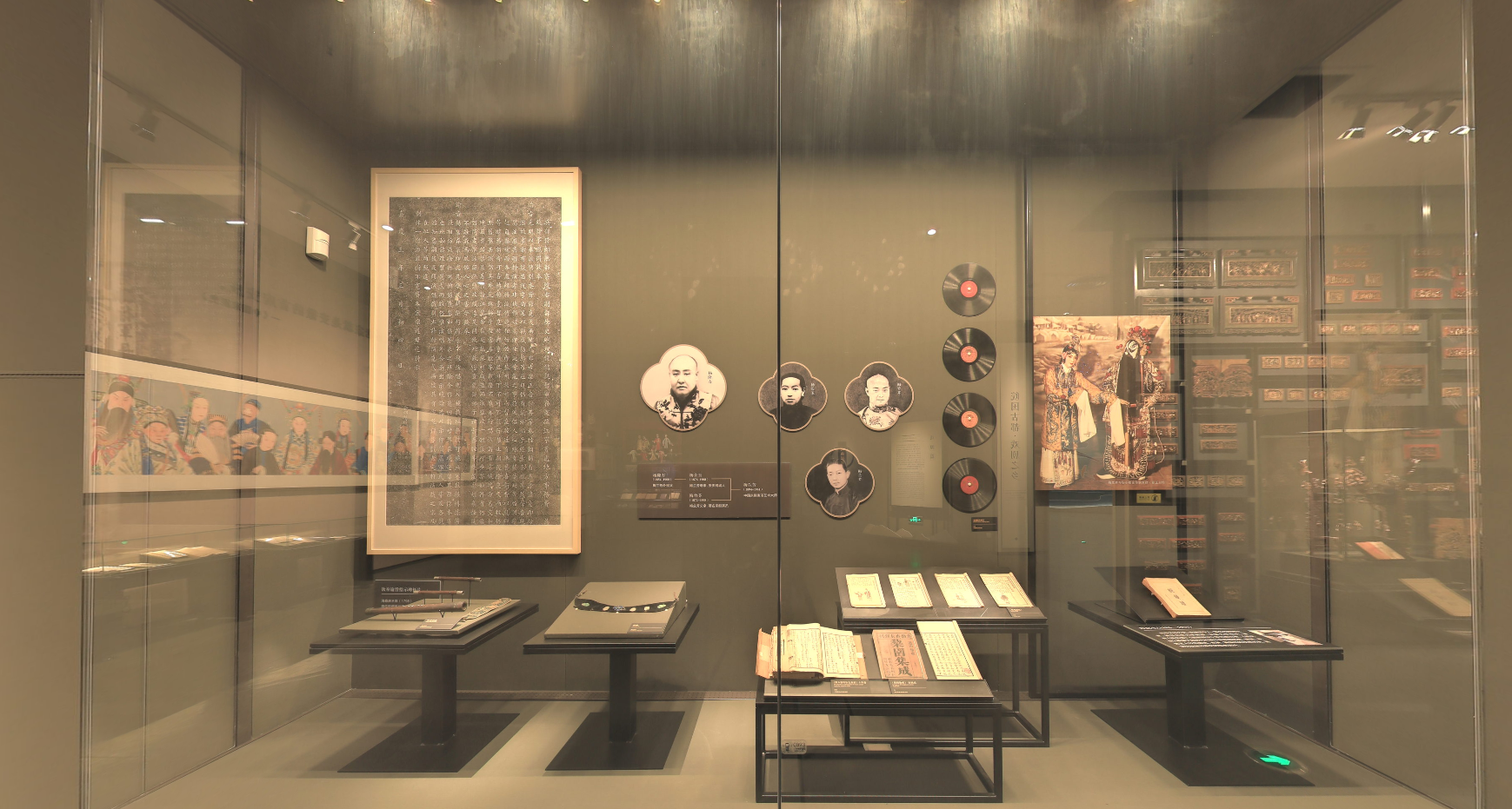
Museums carry the memory of human history and civilization, serving as important halls for the protection and inheritance of human civilization, magnificent feasts flowing through time and space, and bridges connecting the past, present, and future. With the continuous development of the information age, advanced digital technologies such as big data, cloud computing, IoT, Internet, and artificial intelligence empower museums, promoting quality and efficiency in museum management and accelerating the digitalization and informatization of cultural relic resources. Presented to audiences through diverse new media forms, this has become an important symbol and development direction of modern museum digital construction.
The 14th Five-Year Plan proposes to promote free access and digital development of public cultural venues such as public libraries, cultural centers, art galleries, and museums. With the advancement of the national strategy to build a culturally strong country and the improvement of social aesthetic education concepts, digital media technology is widely used in museums and other public education institutions, and more and more museums are embarking on the journey of digitalization.
Project Introduction
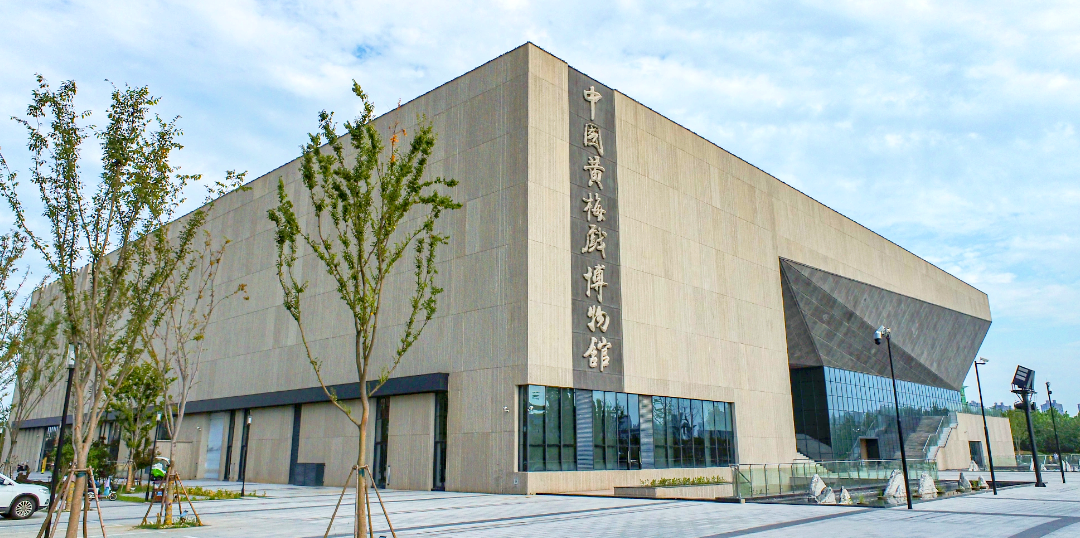
China Huangmei Opera Museum (Anqing Museum, Anqing Revolutionary Relics Exhibition Hall) is a comprehensive museum focusing on local historical relics, especially modern revolutionary and theatrical relics, with more than 13,000 pieces in its collection. It is a national key museum and a national second-class museum.
Weixiaobang adopts 3D map engines, high-precision positioning algorithms, AR virtual reality, and other technologies to create a guide product with precise positioning, rich content, and advanced usability, while achieving high integration of museum audience data and business management, building a dynamic smart museum audience service system.
Implementation Benefits
In the era of booming new digital cultural tourism, museum guide system integrates various information and digital technologies to provide visitors with more convenient, efficient, and comprehensive museum guide services, helping them quickly understand museum and exhibit information, shortening the process of obtaining services, and improving the quality of museum services.
Assisting in the completion of smart museum informatization projects, building display applications for visitors, and creating a new smart museum ecosystem characterized by comprehensive perception, interconnection, and intelligent integration. Visitors can tour the museum with a mobile phone, experience a thousand years at a glance, and immerse themselves in historical culture.
Function Description
Lightweight High-Precision Map
Supports integrated indoor and outdoor map display, seamless switching between indoor and outdoor, museum buildings modeled in realistic 3D, supports 3D display of multiple buildings in the area, high-precision multi-layer indoor 3D maps, and free switching between single-layer and multi-layer maps.

Intelligent Indoor Navigation
Provides visitors with multiple route preferences, fully considering different needs; offers text and voice prompts, direction correction, and automatic route re-planning; supports AR real-scene navigation, establishing a perceptual relationship with the actual scene.
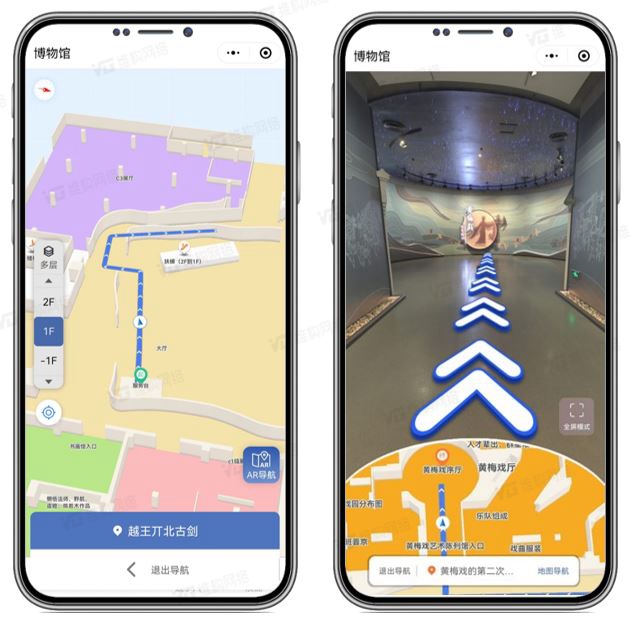
Exhibit Interpretation
As users follow the navigation to tour the exhibition, the system automatically detects their location and triggers voice explanations for the nearest exhibit; relevant graphic, video, and other information pops up to help visitors understand the cultural connotations of the exhibits in a more intuitive and vivid way, effectively spreading museum culture.
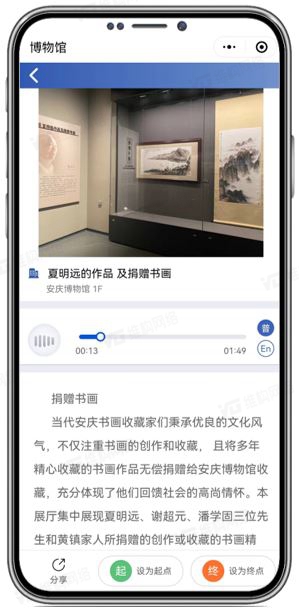
Exhibit Interaction
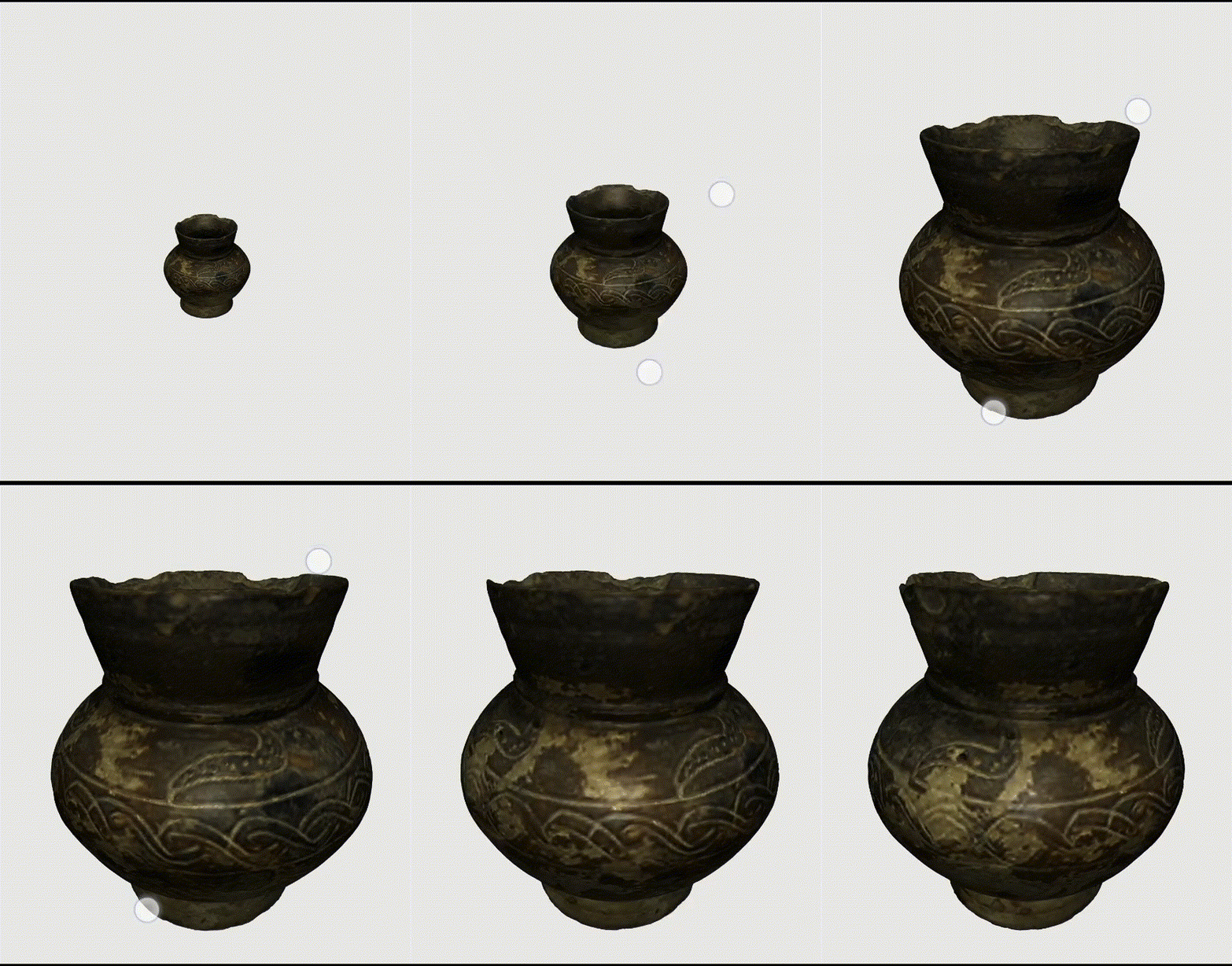
Using 3D object technology, exhibits are presented in three-dimensional form, allowing 720-degree viewing. Users can freely drag the screen to change the perspective, observe every structure of the exhibit in detail from all angles, effectively breaking through traditional display methods. Users can observe closely, zoom in and out at will, and important exhibits are well protected.
Personnel Location Management
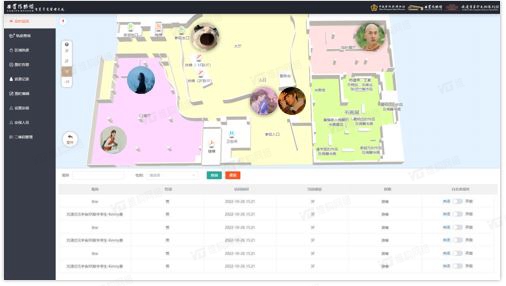
The backend provides a personnel location management platform, displaying personnel locations through a visual map.
Real-Time & Historical Trajectory
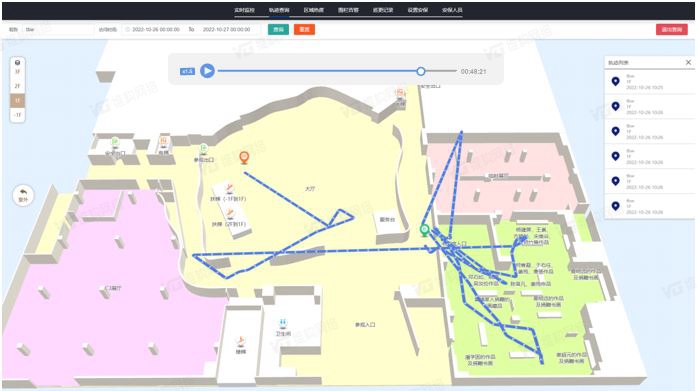
The system supports viewing personnel's historical movement trajectories and location dwell times. In case of special events, the event process can be traced.
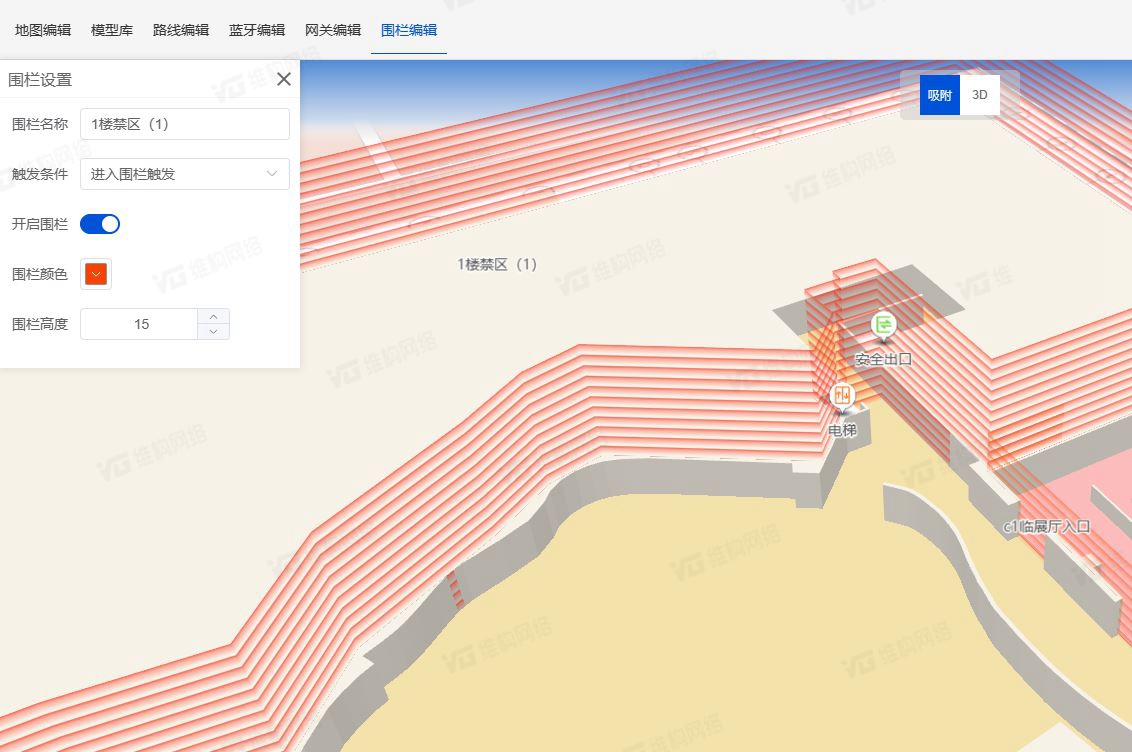
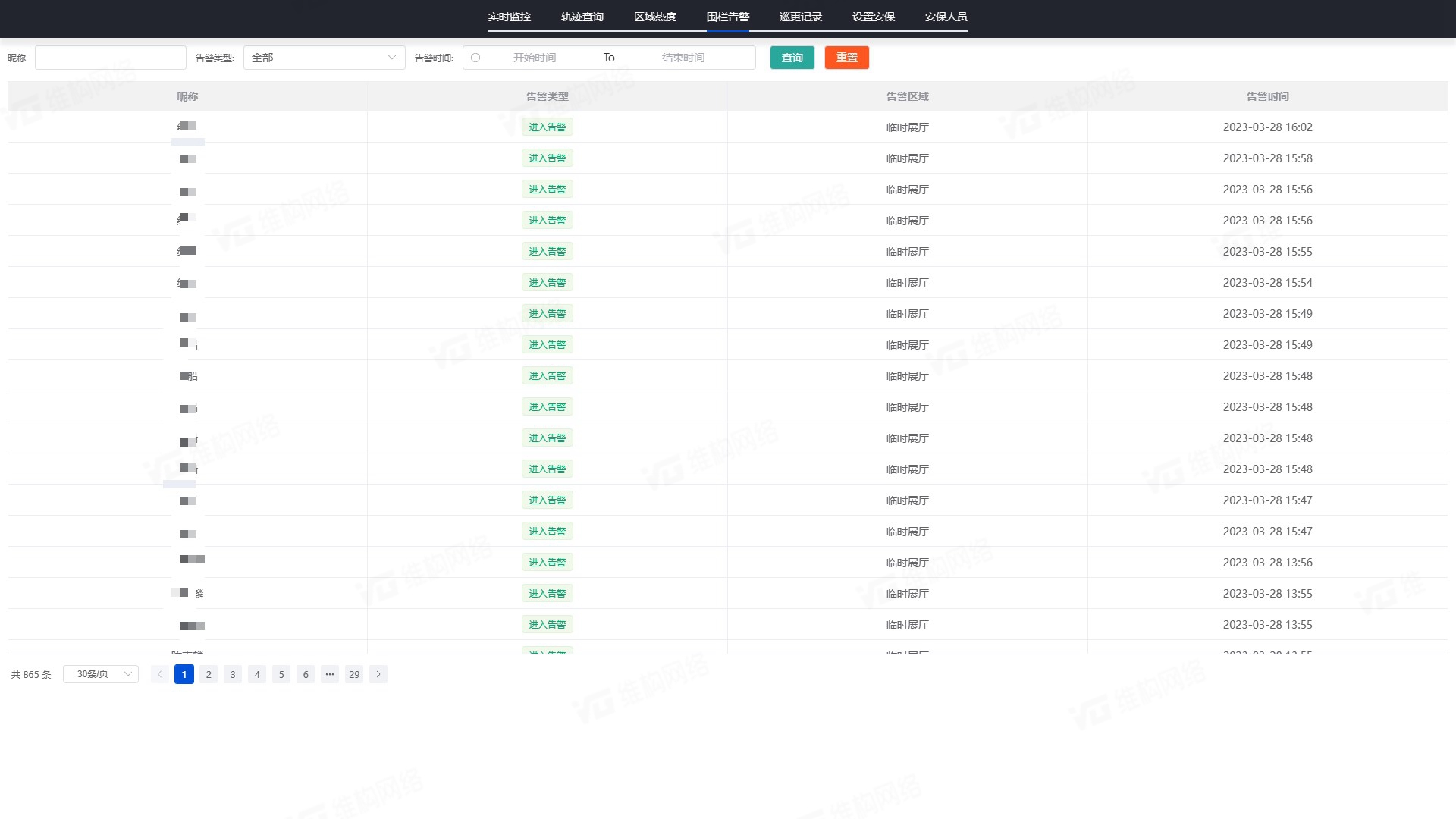
Electronic Fence
Electronic fences are set up in sensitive areas, and unauthorized personnel entering trigger alarm reminders to prevent visitors from straying. Supports multiple fence trigger mechanisms such as entry, exit, passing, and internal/external fence status monitoring.