

1. Project Background
Mao County is a city with profound historical and cultural heritage, and its unique Qiang culture is a shining pearl among the treasures of Chinese civilization. The Mao County Ancient Qiang City project aims to promote and inherit this valuable cultural heritage, allowing more people to understand and experience the unique charm of Qiang culture through modern technology.
2. Project Overview
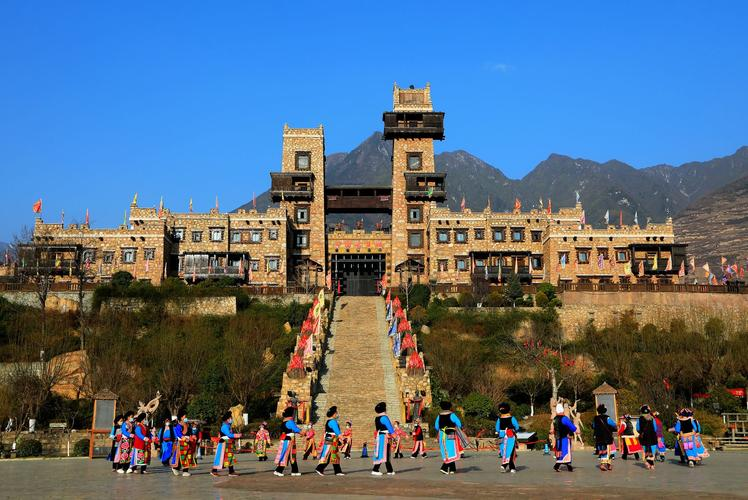
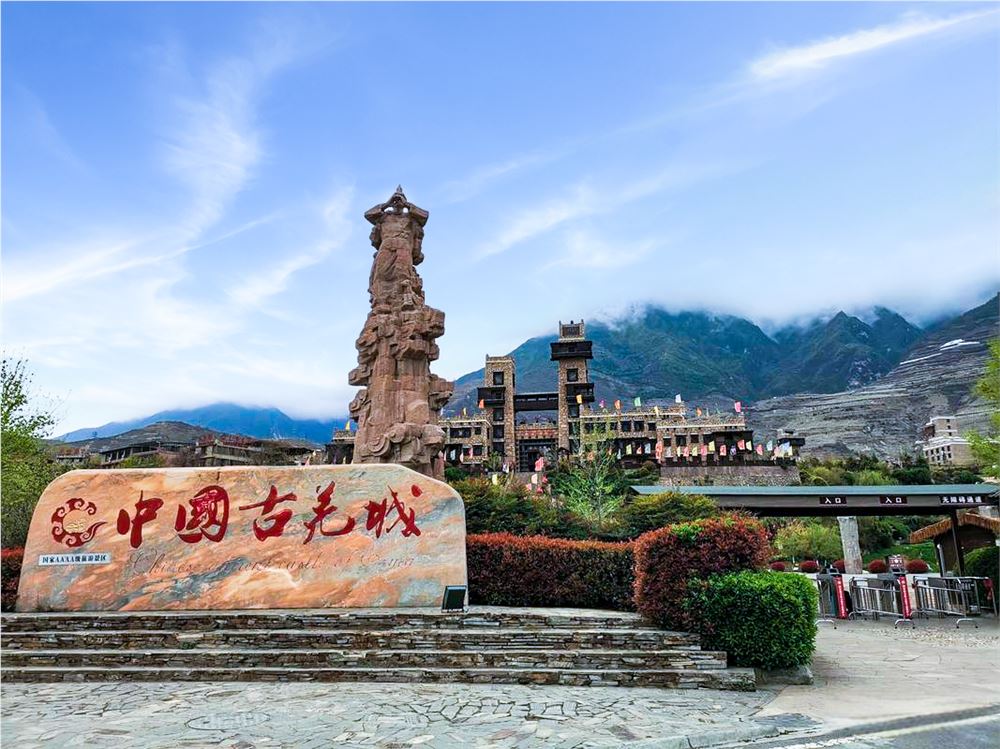
The Mao County Ancient Qiang City project highly summarizes the essence of Qiang culture, perfectly combining ancient legends with modern tourism facilities. The project features a variety of attractions, including the Qiang Museum, Ancient Qiang Altar, and traditional handicraft exhibition areas, each reflecting the wisdom and diligence of the Qiang people. The Ancient Qiang City is not only a tourist destination but also a window to deeply understand Qiang culture.
3. Project Pain Points
1. Large area and complex buildings: Visitors can easily get lost in the scenic area and have difficulty quickly finding their target attractions.
2. Outdated information and lack of continuous guidance: Traditional paper maps are not updated in time and cannot meet the diverse needs of visitors.
3. Heavy pressure on tour guides and insufficient cultural dissemination: The cultural connotation of the scenic area is not well communicated, making it difficult for visitors to deeply understand the local culture.
4. Inconvenient access to supporting facility information: Visitors have difficulty obtaining information about supporting facilities in the scenic area, affecting their experience.
5. Unmet personalized needs: Visitors' personalized needs (such as route preferences, language requirements, etc.) are not effectively met.
6. Lack of interactive experience: There is little interaction between visitors and the scenic area, making it difficult to form a sense of deep participation.
4. Solutions
In response to the above pain points, Weigou has created a unique smart guide system for Mao County Ancient Qiang City to meet the growing needs of visitors and further enhance the tour experience.
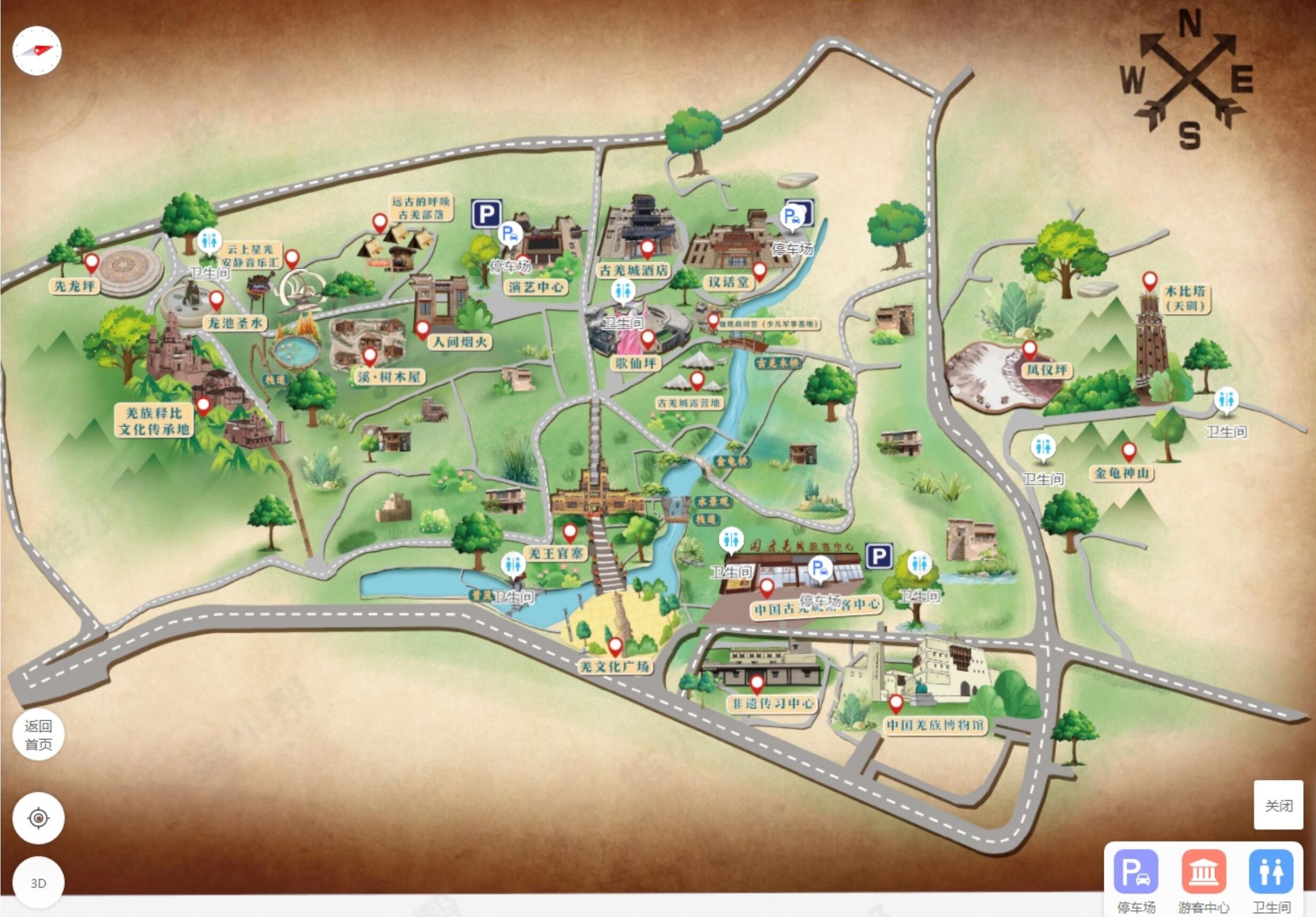
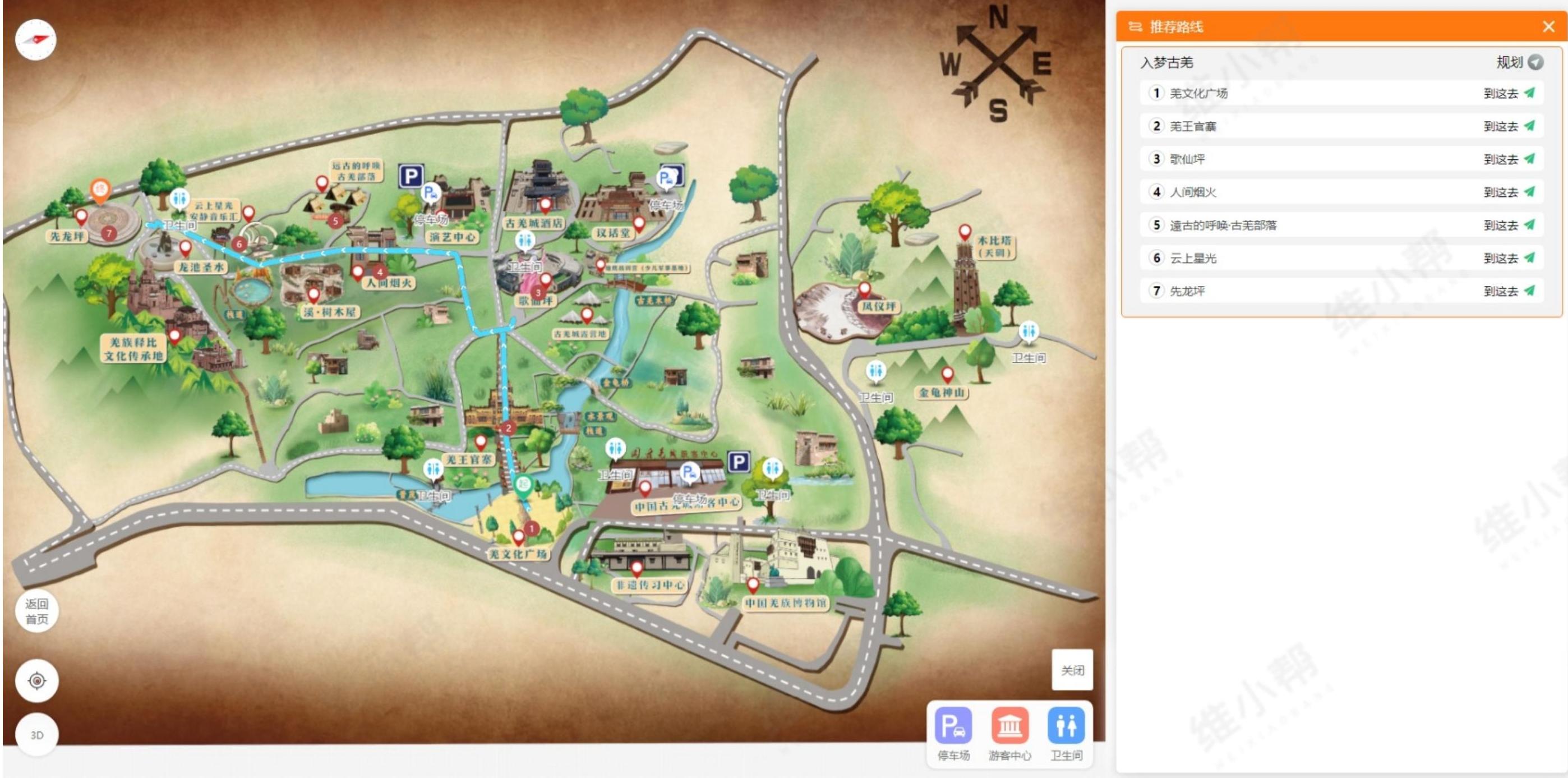
1. Cultural-themed hand-drawn map
Combining Qiang traditional patterns, architectural features, and other cultural elements, a unique hand-drawn guide map of the scenic area is designed, highlighting important attractions and tour routes, providing visitors with intuitive and culturally rich guidance.
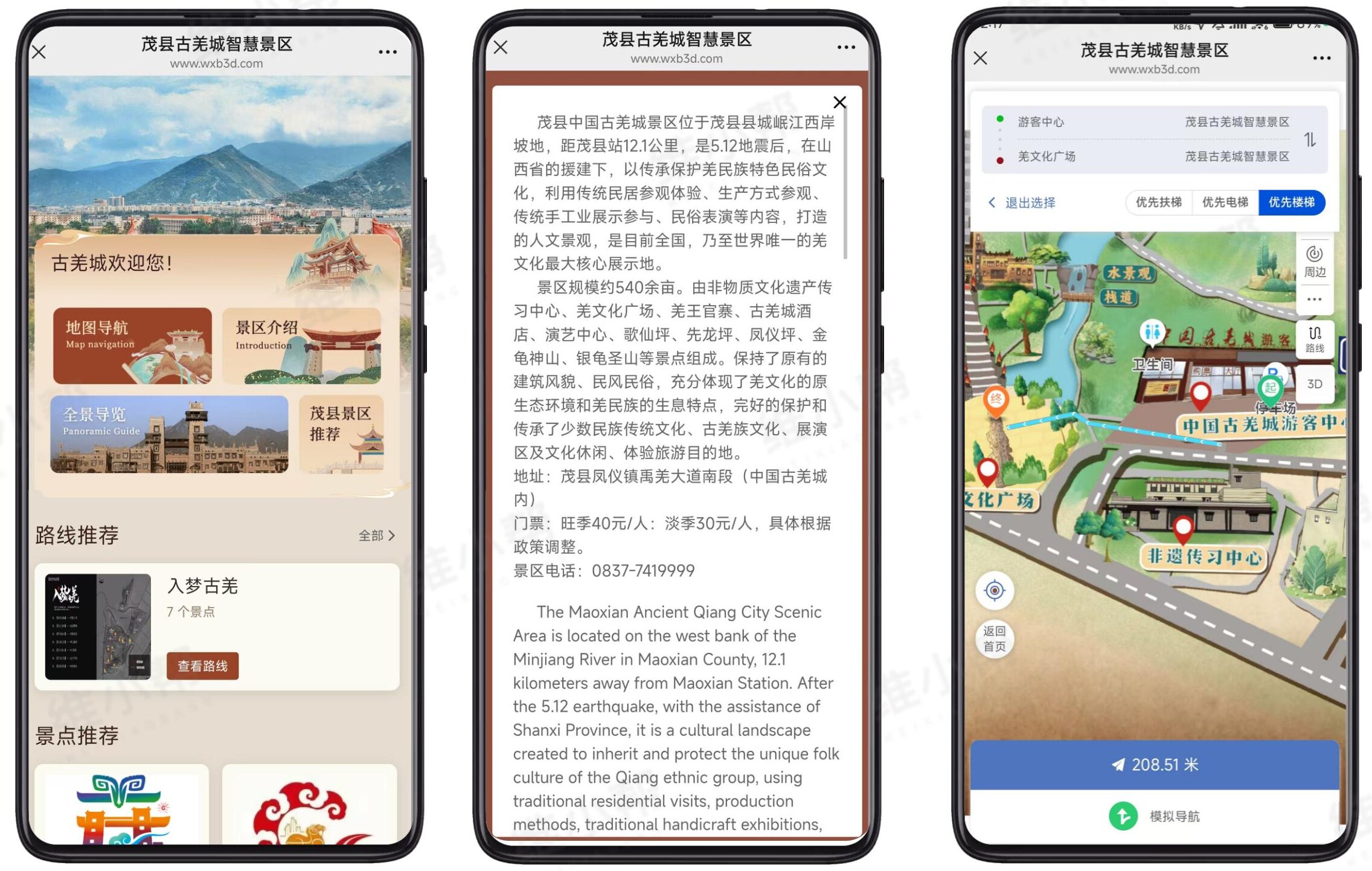
2. GPS Navigation
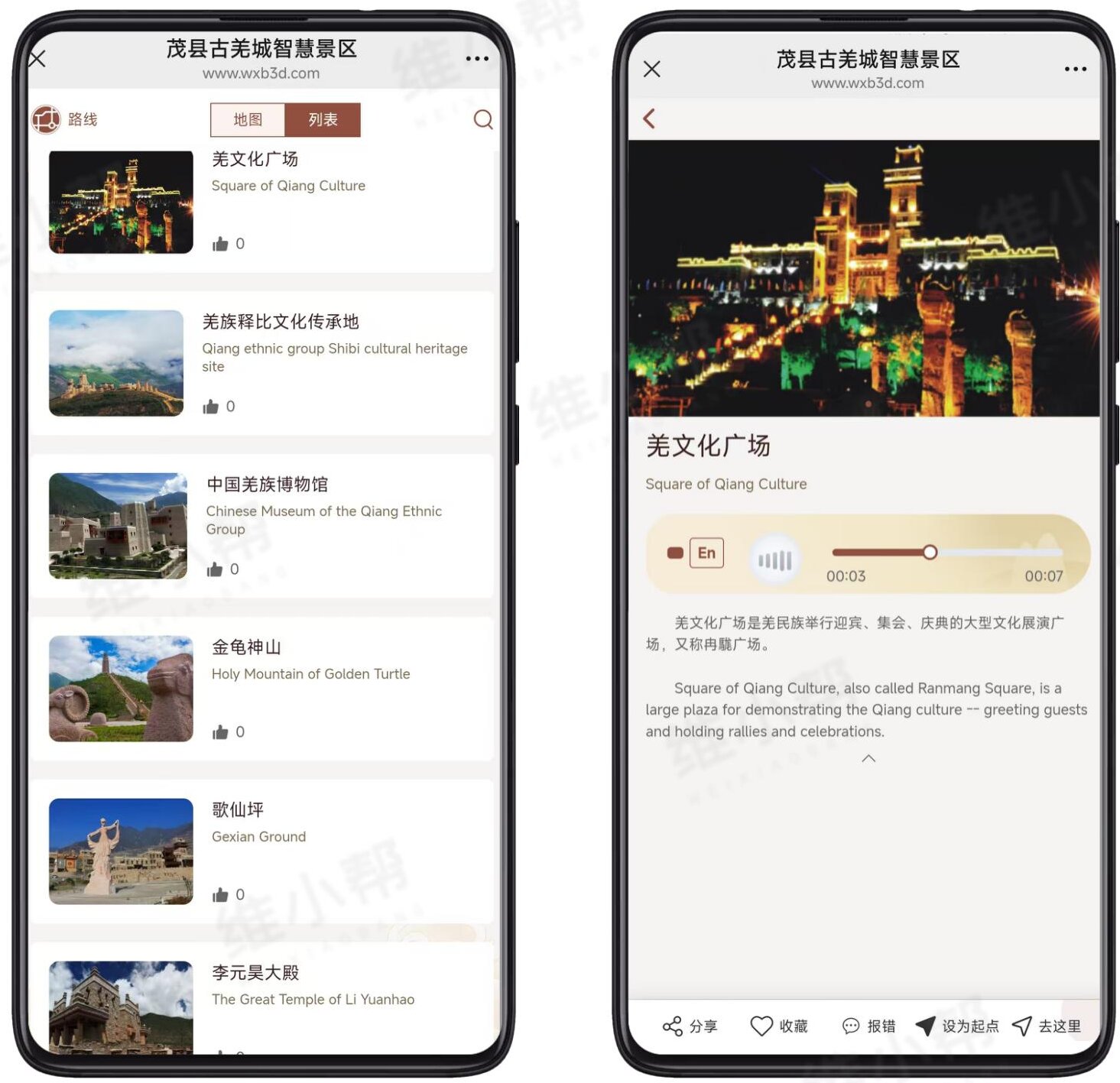
Introducing high-precision GPS positioning technology to achieve accurate visitor positioning and convenient navigation. The system supports infrastructure queries, real-time location sharing, bilingual attraction introductions, and other functions to ensure visitors' safety and convenience.
3. Tour Route Recommendation
Intelligently recommend the best tour routes based on visitors' interests and needs to enhance the tour experience.
4. Attraction Explanation
To enhance the visitor experience, visitors can instantly access detailed explanations of attractions through the guide mini-program, including historical background, cultural significance, and architectural features. At the same time, multi-language explanation services are provided, allowing visitors to deeply understand the essence of Qiang culture in a relaxed and pleasant atmosphere.
5. Custom UI & Touch Screen
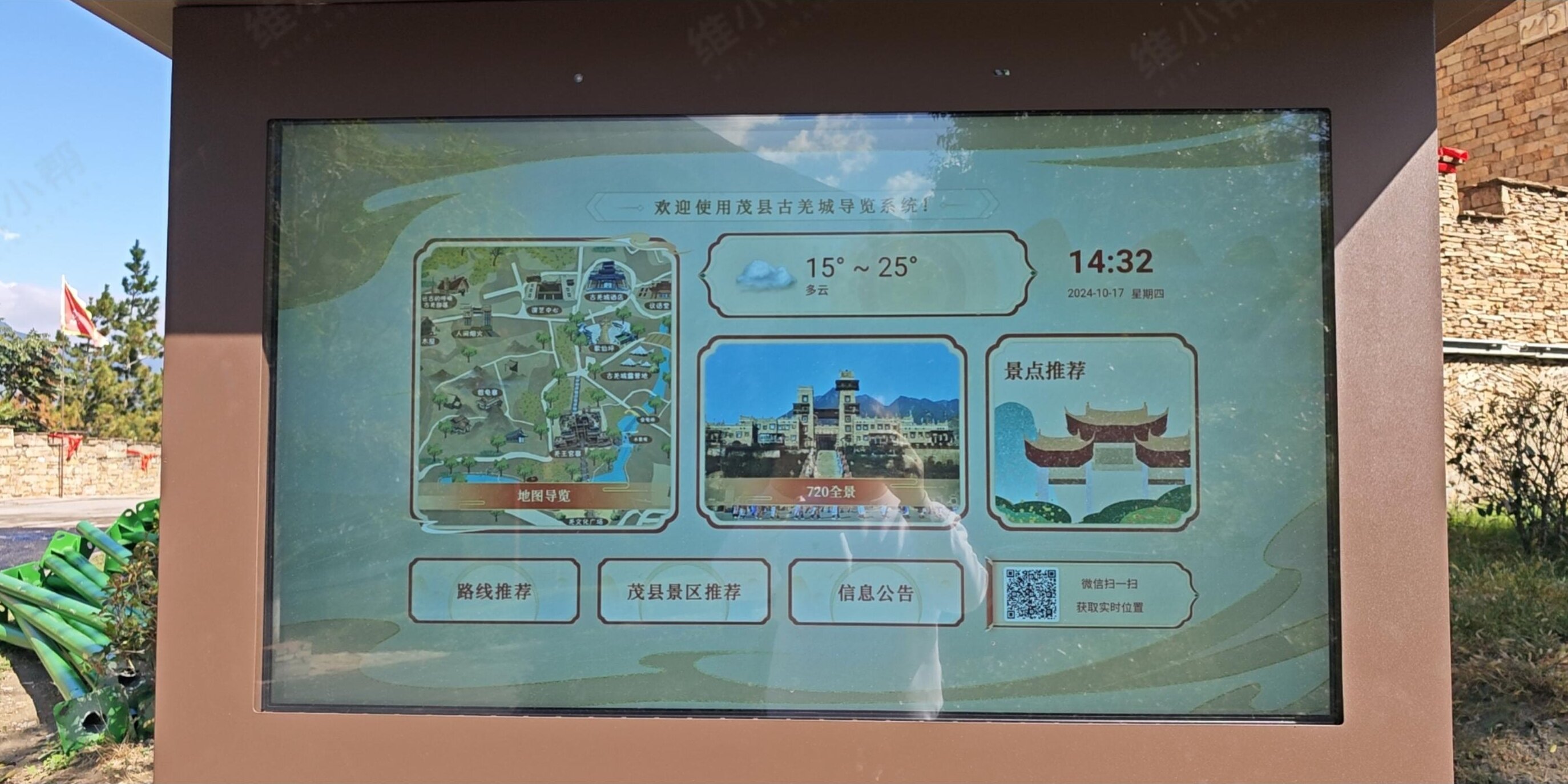
Design a user interaction interface with Qiang cultural characteristics and set up touch screens in the scenic area for visitors to conveniently query information by themselves.
6. Mao County Scenic Spot Recommendations
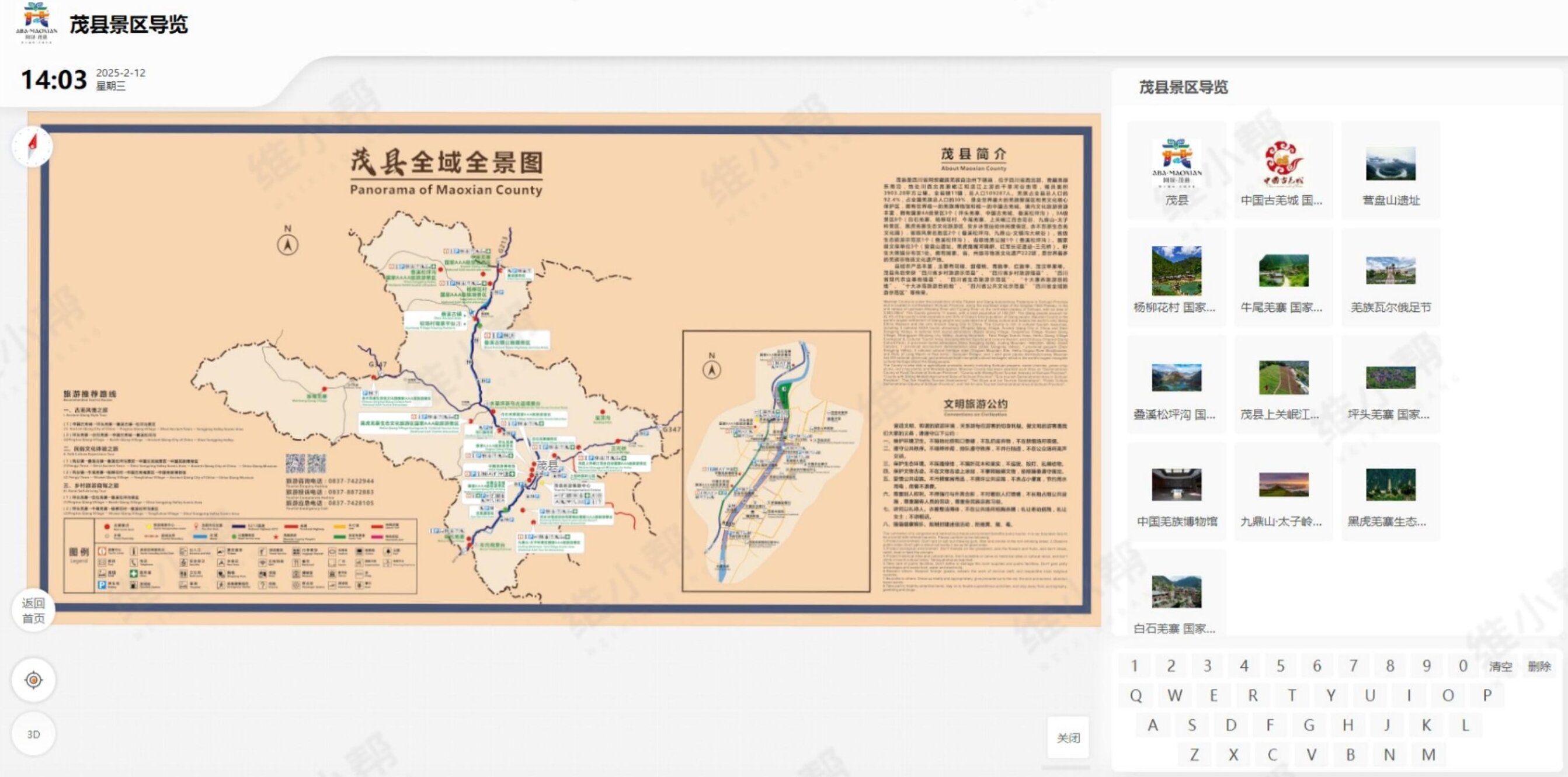
Integrate high-quality tourism resources around Mao County to provide visitors with one-stop tourism services and enhance the overall tourism competitiveness of Mao County.
5. Application Benefits
1. Improve Visitor Experience and Satisfaction
The smart scenic area system helps visitors quickly find attractions and avoid getting lost through accurate positioning, comprehensive information, and convenient navigation services. At the same time, rich attraction explanations and multi-language services enhance the fun and educational value of the tour, significantly improving visitor satisfaction.
2. Enhance Cultural Communication and Educational Functions
The project uses digital means, such as cultural-themed hand-drawn maps and guide mini-programs, to vividly present the essence of Qiang culture, enrich visitor experiences, effectively promote Qiang culture, and enhance cultural inheritance and educational functions.
3. Optimize Scenic Area Operation Management and Promote Regional Development
The smart scenic area system realizes visualized and digital management, improves operational efficiency, and helps scenic area managers optimize resource allocation. At the same time, the project integrates surrounding tourism resources, provides one-stop services, promotes regional tourism synergy, drives the prosperity of the local tourism economy, and supports rural revitalization.